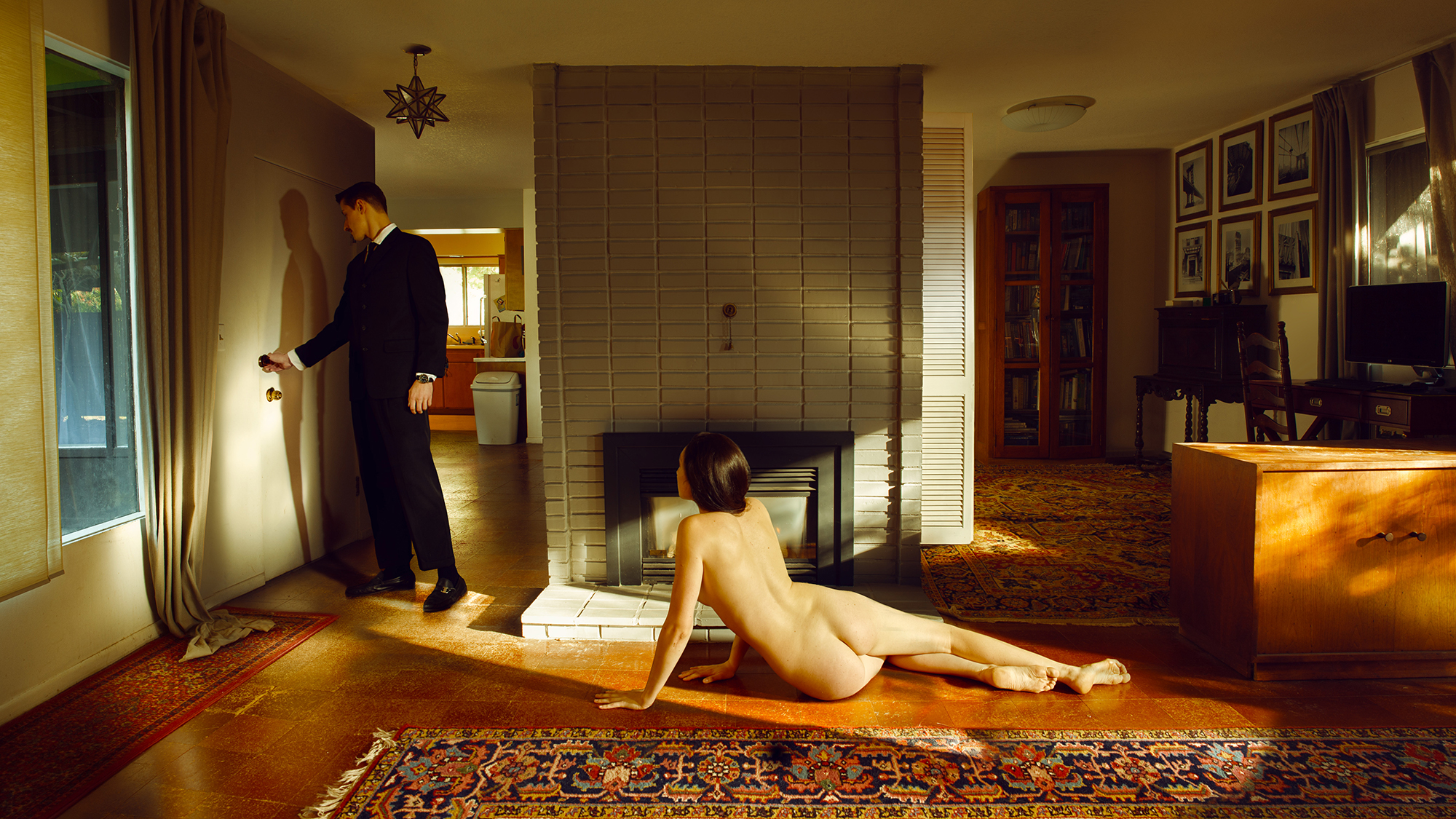

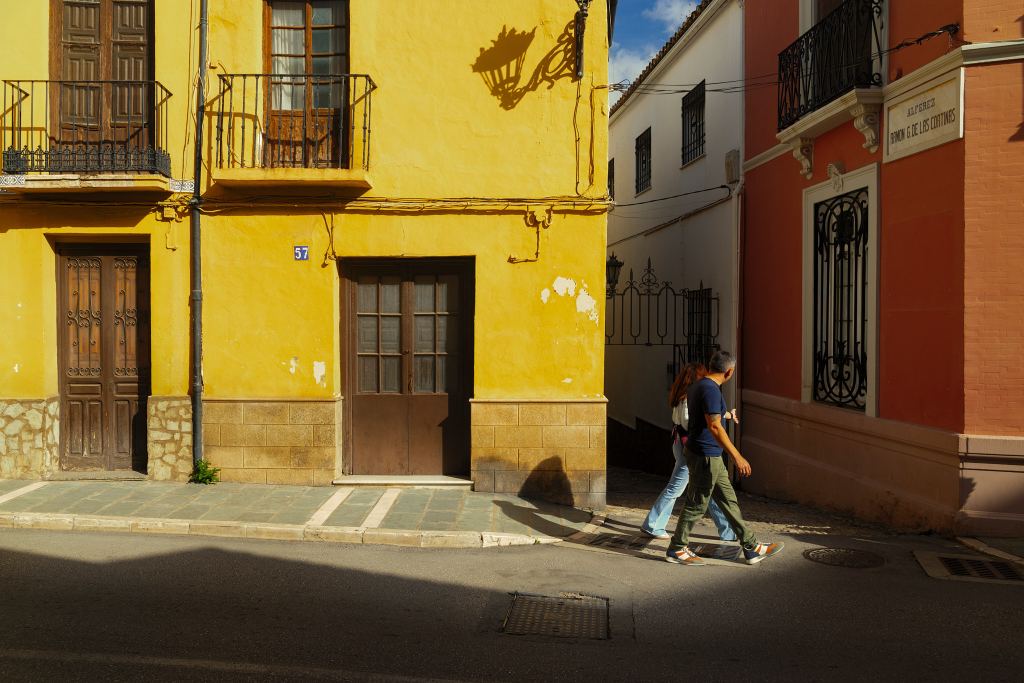
Making photographs has always been the way in which I can blend all my interests together in the best way — history, art history, architecture, anthropology, color, culture, all layered into a single frame. It’s the one place I can pay attention to how humans move through space, how buildings guide us, how light changes the story, and how color pulls everything together.
In my images I’m always playing with the balance of these things—but it’s an engineered balance, tightly controlled and designed so that every detail is thought out and intentionally executed. I’ll build a scene from scratch, composite pieces together, stage everything so it feels just right.
But sometimes you’ve just got to let go and let the world show you the story and not the other way around. And what better time to do this than on vacation?
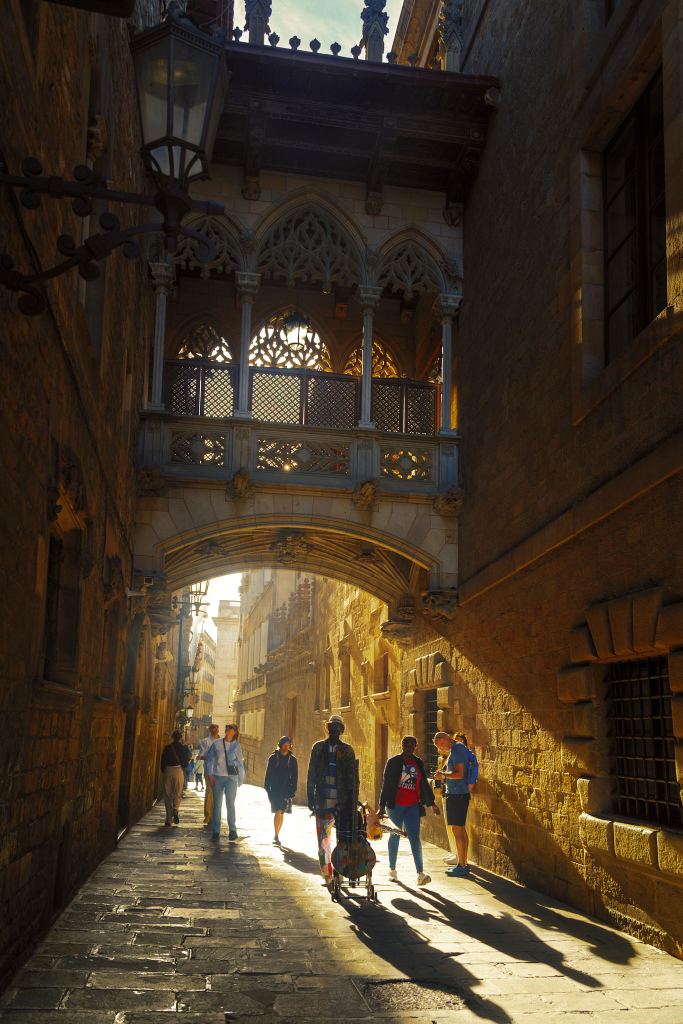
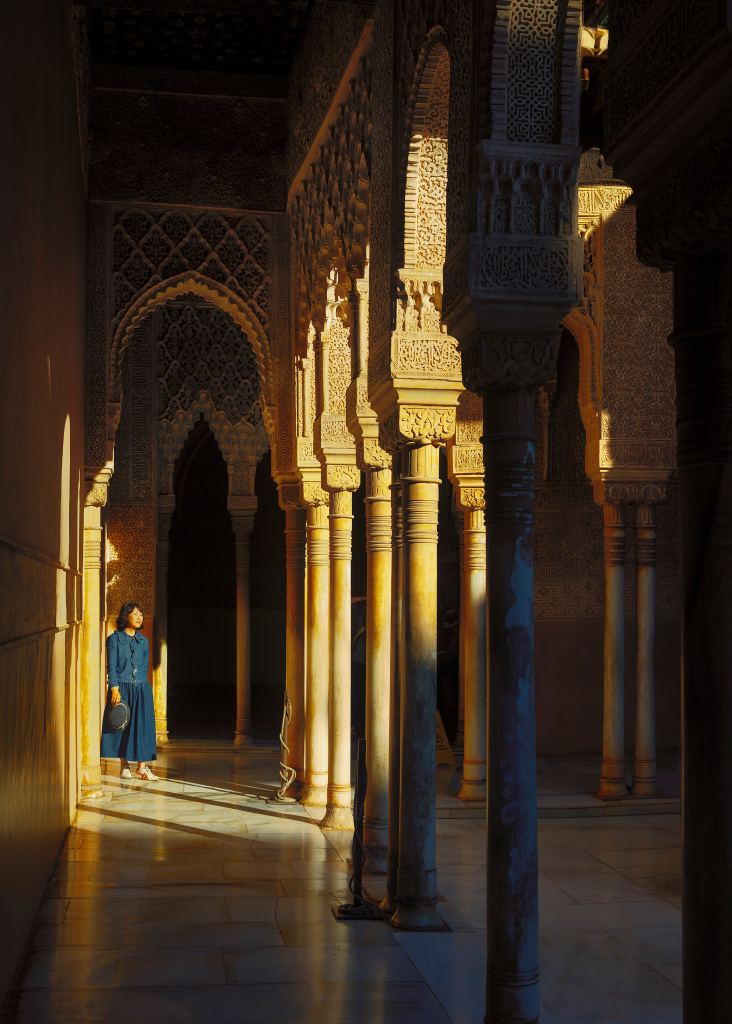
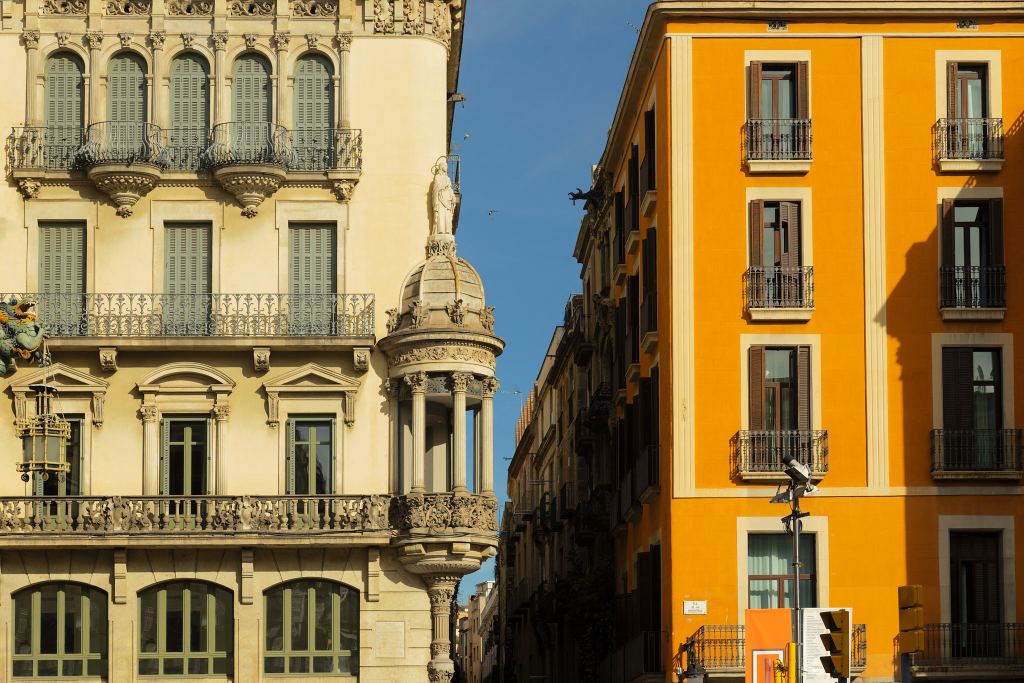
In April this year, my good friend Katie (an architect) and I decided to take a fall vacation to visit Spain. Neither of us had been, and of course, being planners to our core, we immediately fell into building a very detailed itinerary that had us starting in Barcelona, and working our way south eventually to Cordoba, Granada and Seville. As both of us are lovers of architecture and history, we designed our itinerary around visits to the huge variety of monumental structures and vernacular small villages. Most importantly, we took advantage of the opportunity to participate in guided walking tours wherever possible.
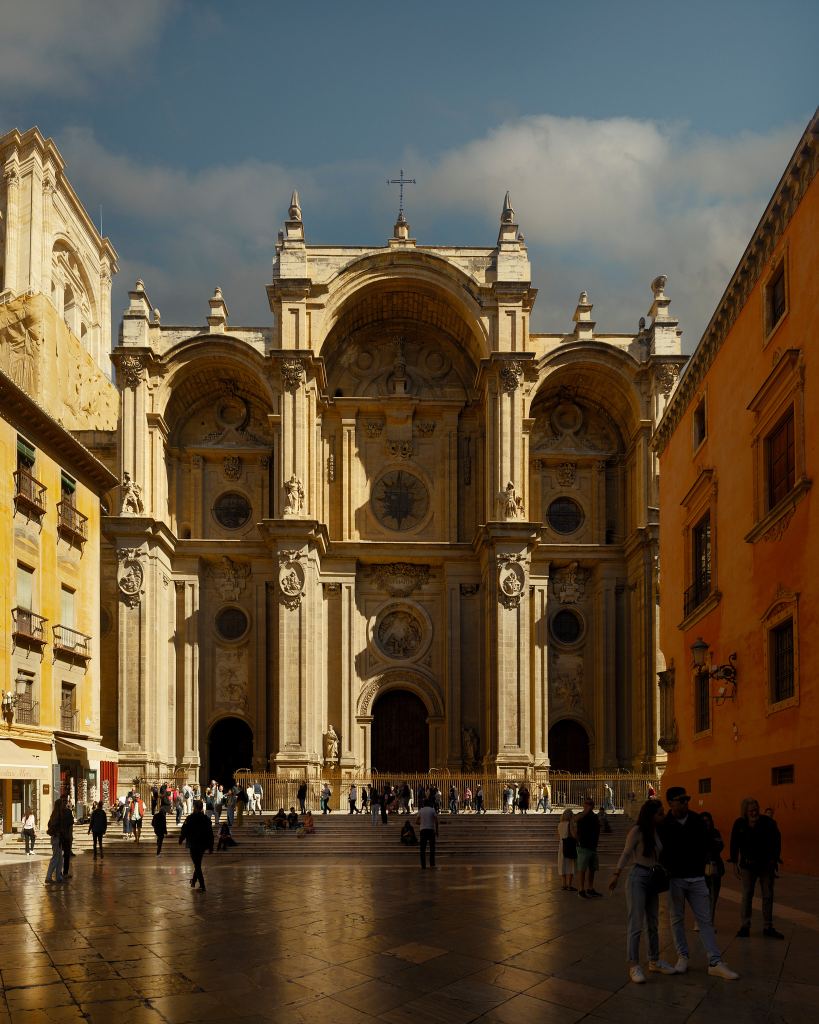
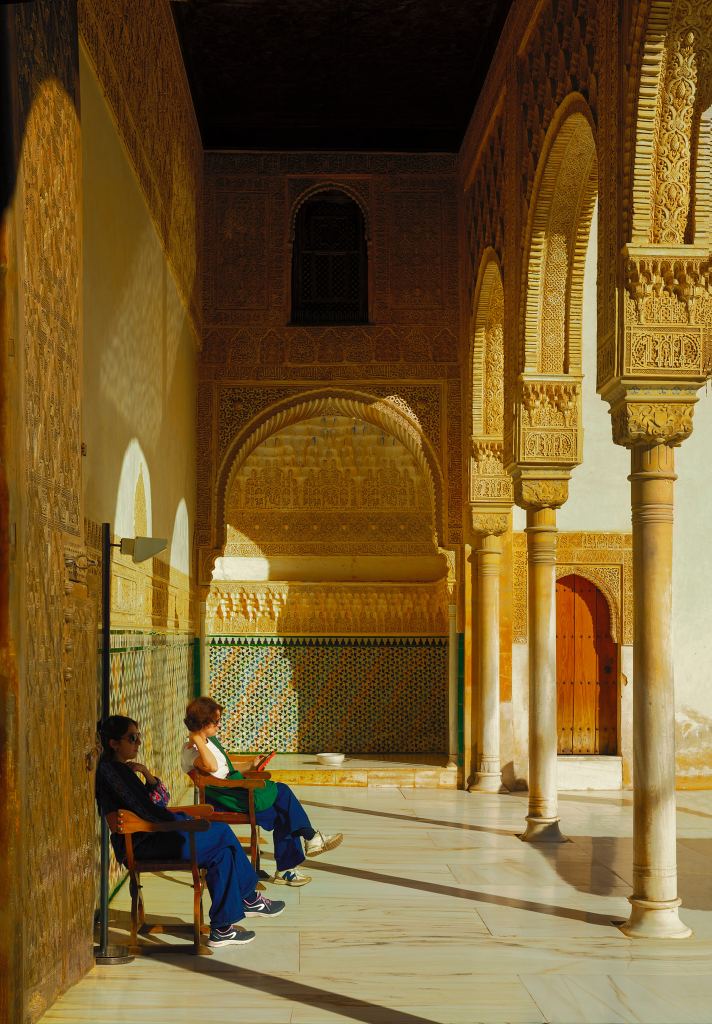
There’s something about learning the context of a place while standing in it that completely shifts the way you see. Spain’s history, especially in the south, is wildly complex — centuries of Roman, Islamic, Jewish, and Christian influence overlapping, coexisting, repurposing each other’s spaces. It felt like stepping into a living collage of everything I love: ancient foundations, horseshoe arches, sun-soaked courtyards, gothic cathedrals, all stacked together and still part of daily life. Cities like Seville and Córdoba felt like time capsules — you could literally feel the layers beneath your feet.
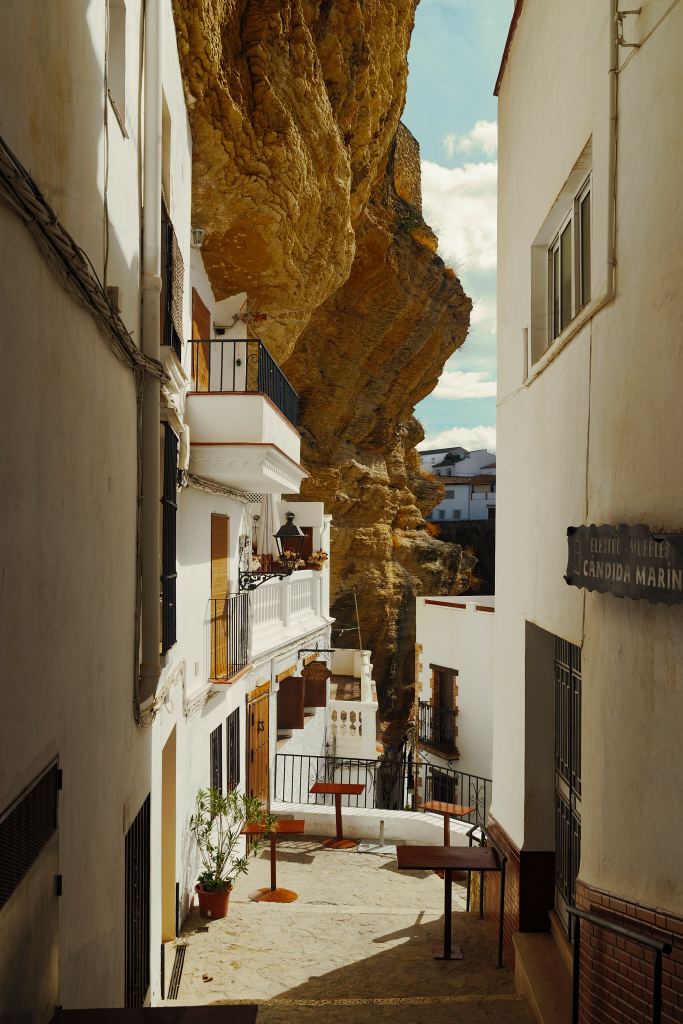
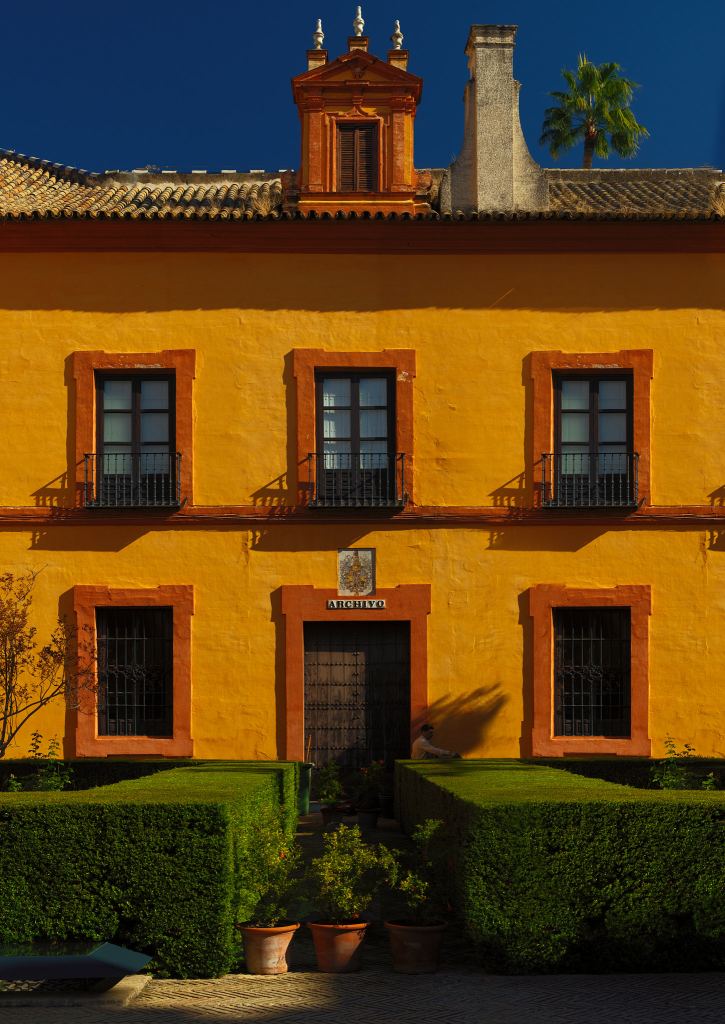
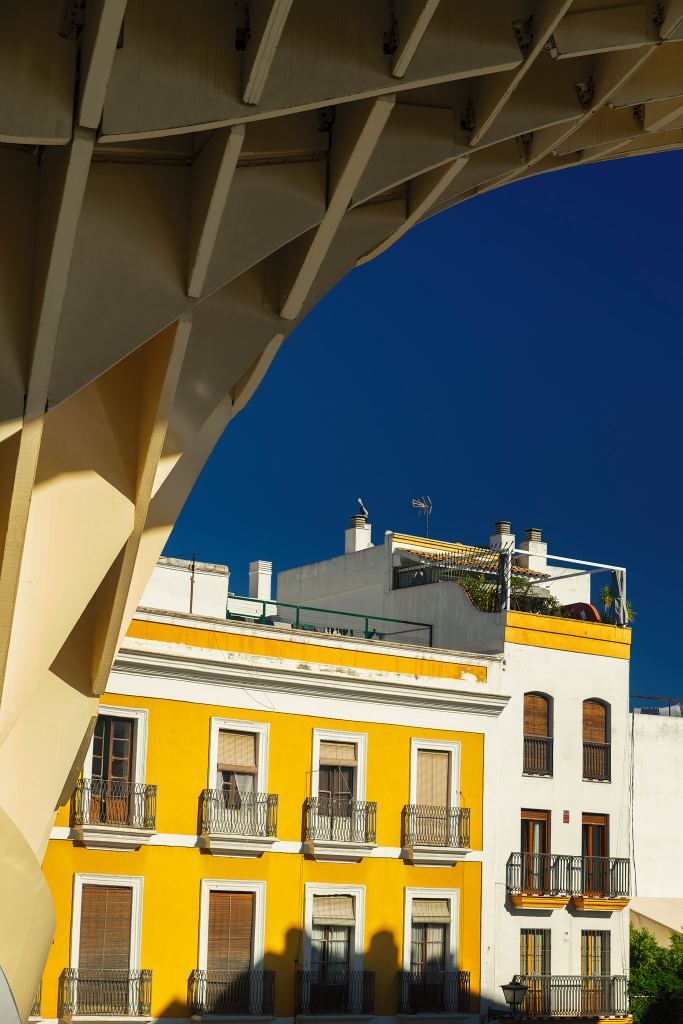
As I walked around on these tours, I found myself really appreciating not only the cultural blending that resulted in Spain’s unique and colorful architecture, but also the way in which these places are currently witnessed and utilized. I kept imagining the same plazas and archways hundreds of years ago — people gathering in front of the basilica awaiting entry, contemplating quietly in a private Moorish courtyard, strolling along a medieval cobblestone street — and realizing that the choreography hasn’t changed much at all. A painting from the 1600s and a photo taken yesterday could share the same bones; only the clothes are different. That idea stuck with me: people interacting with living history, these old structures still shaping the rhythms of everyday life.
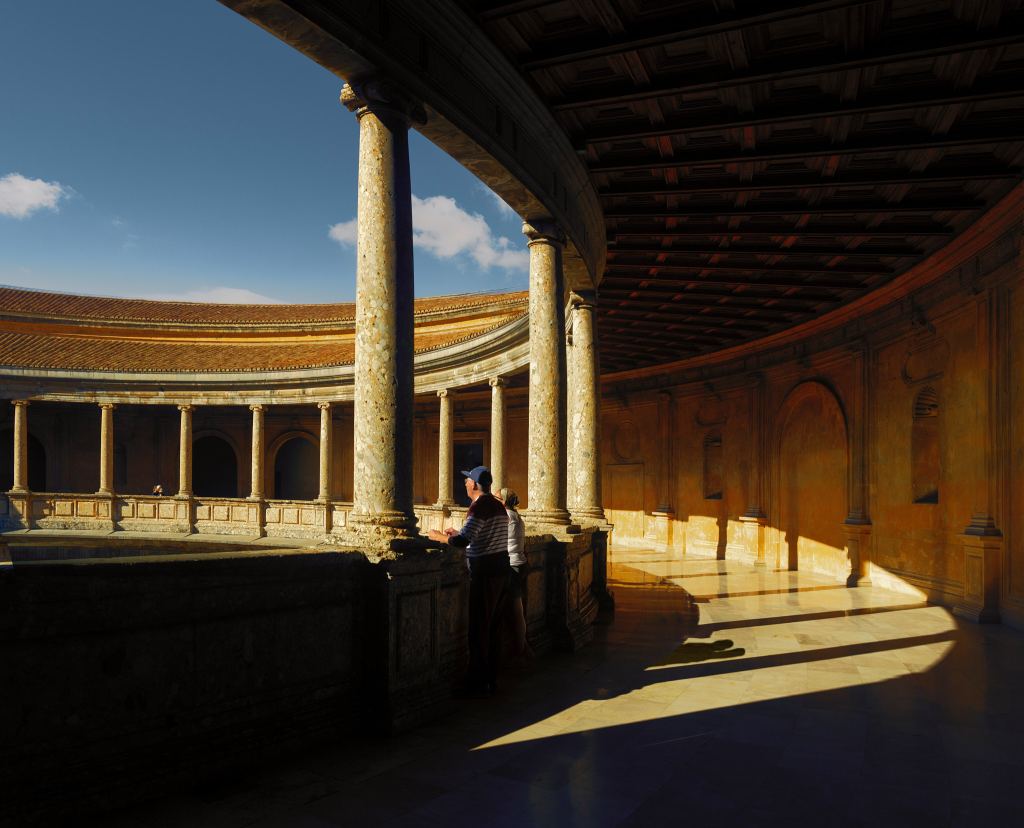
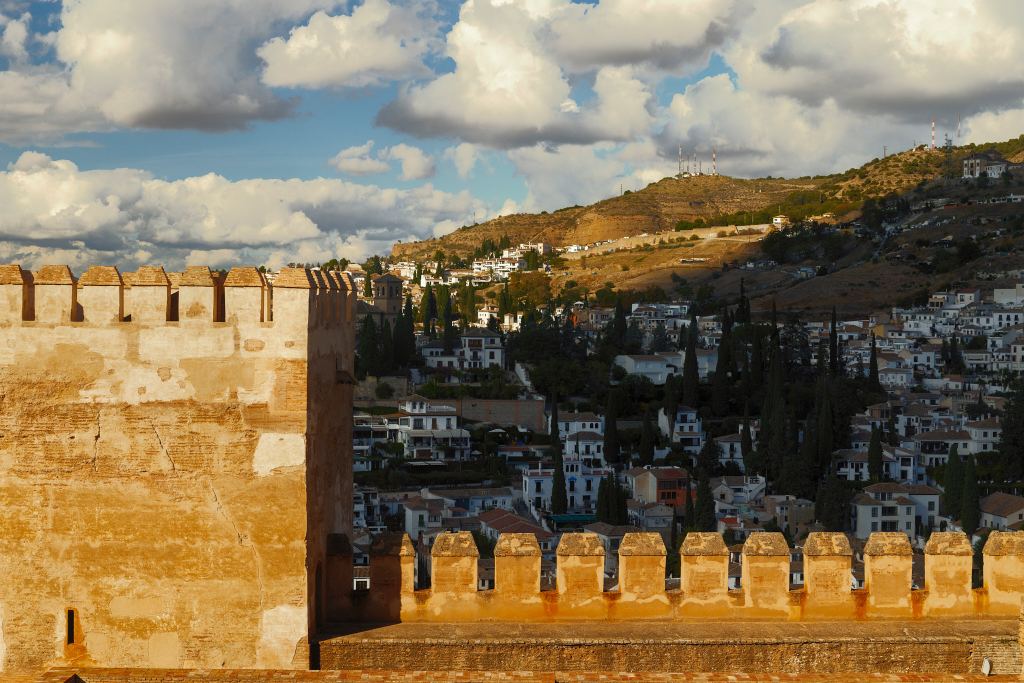
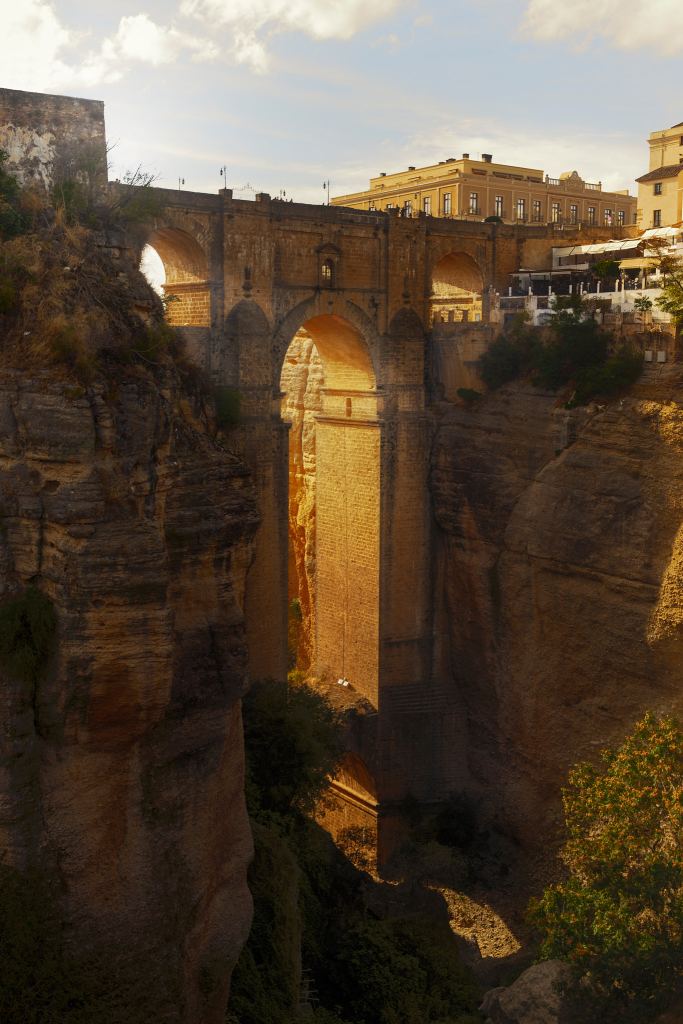
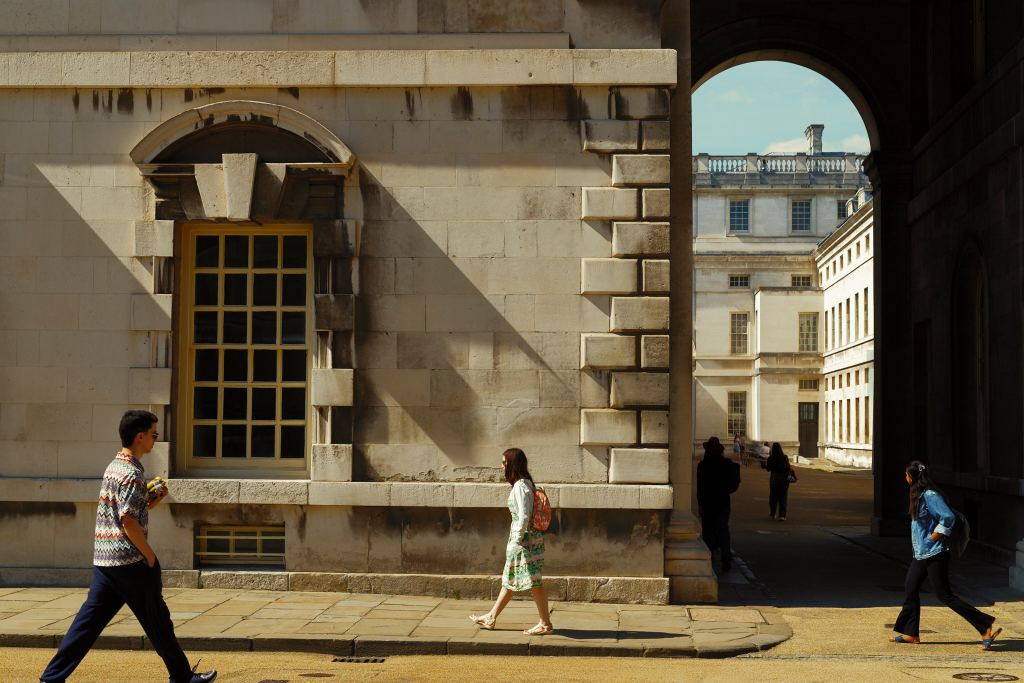
Being on foot, guided by someone else’s narration instead of my own agenda, nudged me into a different kind of seeing. Instead of crafting images, I treated the trip like a visual sketchbook. I let myself respond instinctively to whatever caught my eye, trusting that the things that inspire me — the same obsessions that show up in my controlled work — would surface on their own. And they did. Some moments felt very “decisive moment”: someone caught mid-stride or mid-conversation, framed by centuries-old stone. Others leaned into the painterly stuff I always gravitate toward: Renaissance-like perspectives, sunlit geometry, and big, bold color that felt like a Spanish take on Edward Hopper.
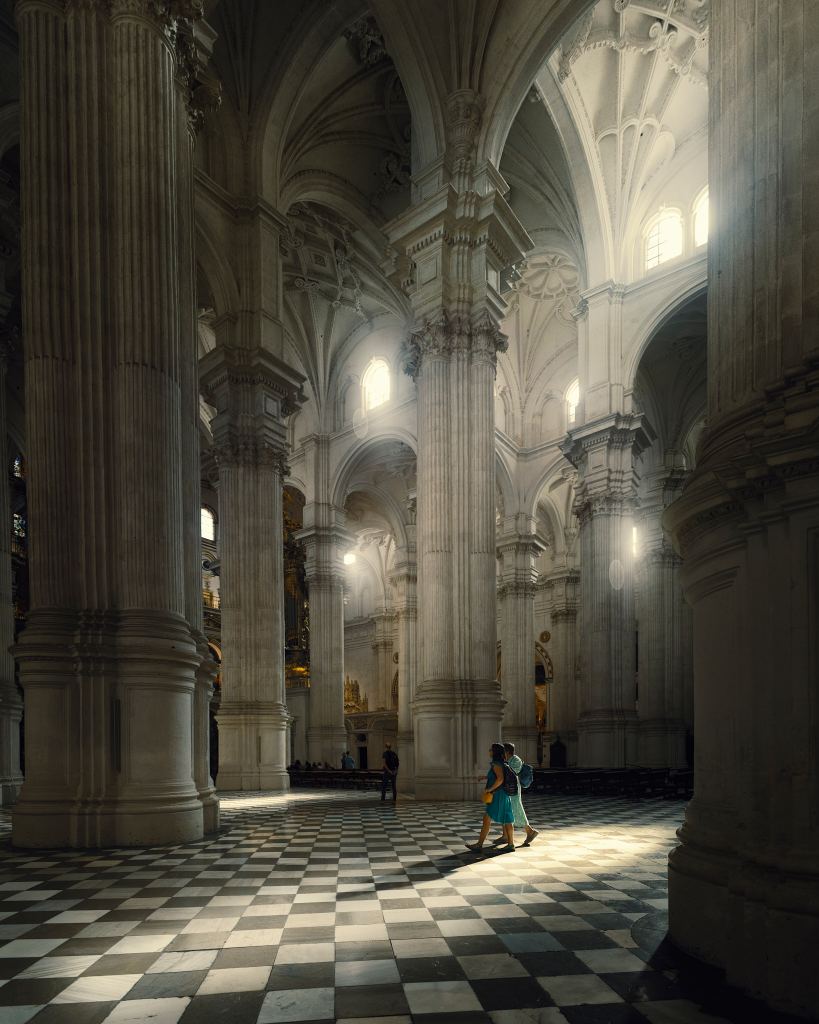
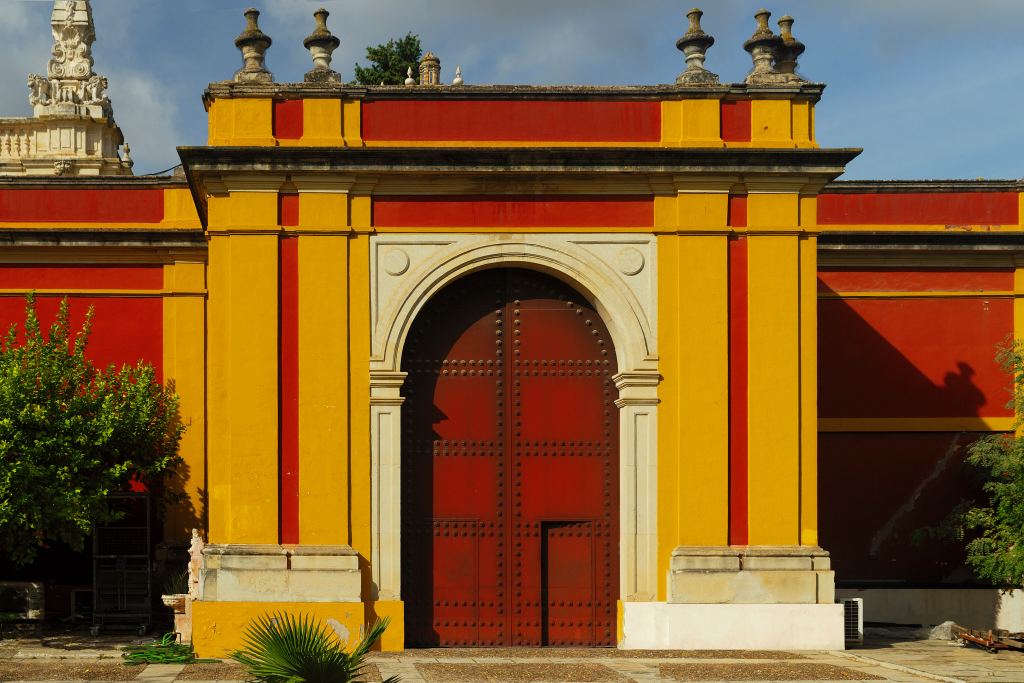
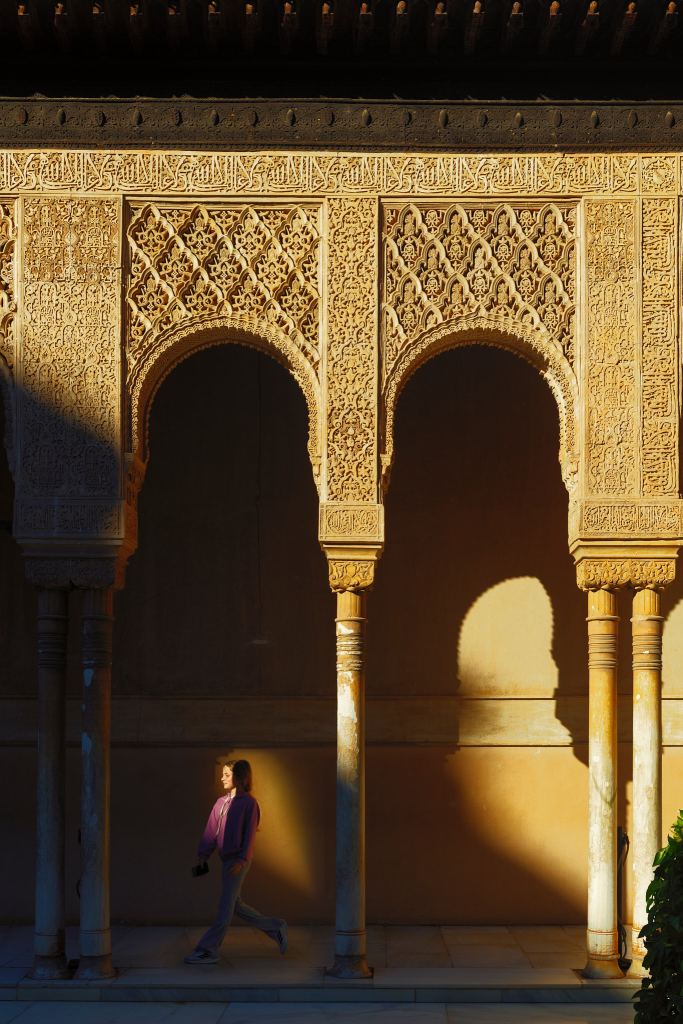
Looking back, Spain reminded me that creativity has seasons. Sometimes you build and direct and plan; sometimes you show up, listen, and let the environment shape the work. No matter which season you’re in, your instincts will find you — the things you love, the themes you return to, the details that make you pause. They’ll weave their way into your images whether you intend it or not. And honestly, that’s where some of my favorite photographs from this trip came from: that mix of letting go, paying attention, and trusting the parts of myself that always show up in the frame.
 Art On The Precipice