Have you noticed? Painterly photography is having a moment.
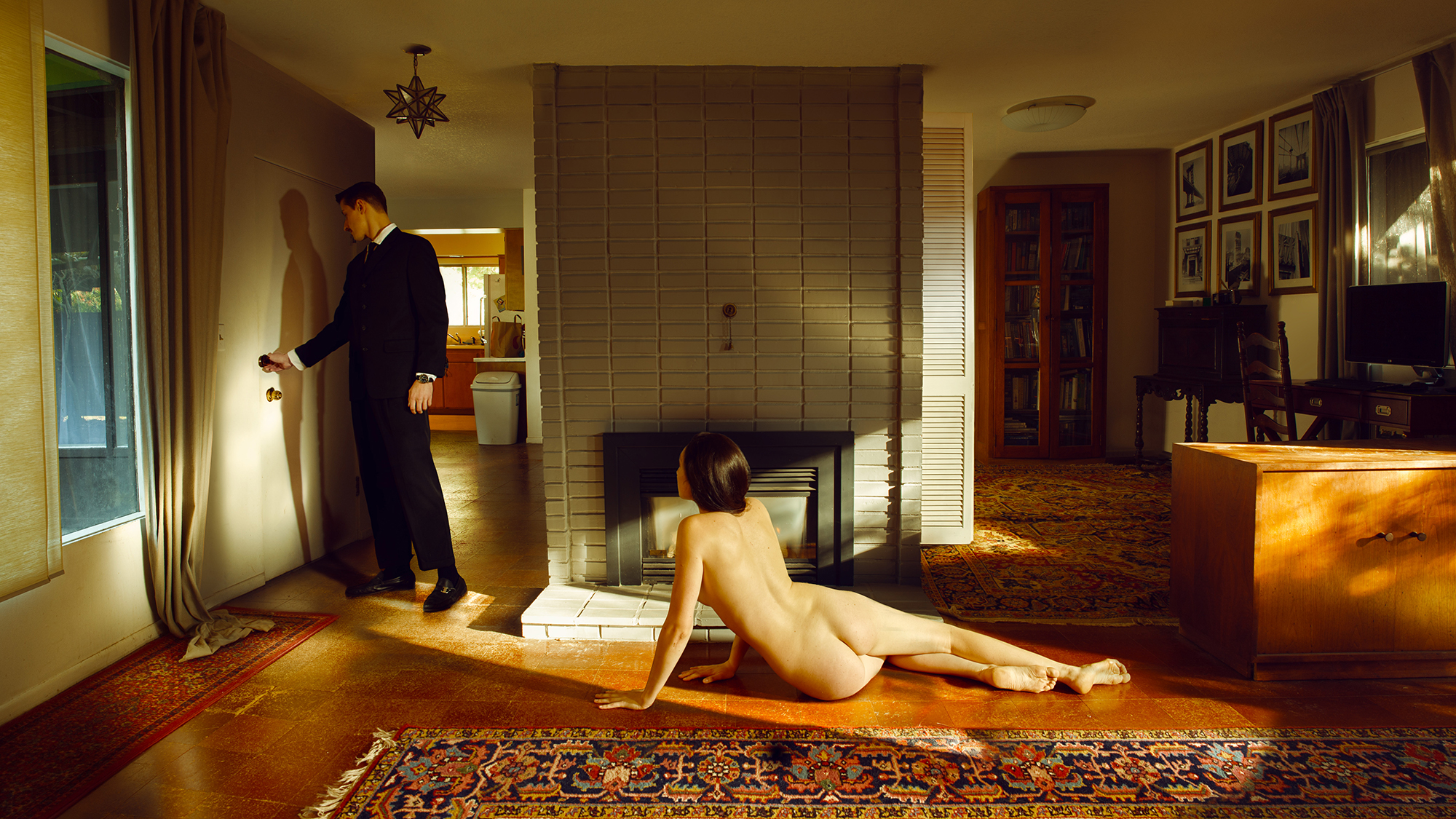
Everywhere I look, I’m seeing photography and commercial imagery borrowing more and more from the language of painting. Painted backdrops and handcrafted sets are everywhere. Graphic cutout props, painted wardrobe, visible brushstrokes, flattened perspectives, and surreal proportions have all become part of the contemporary visual vocabulary. Editorial photography in particular seems to be moving toward imagery that feels less like a photograph and more like a painting. Flat, compressed lighting, softer tonal transitions, and dreamy long exposures—very peak-’90s Paoli Roversi—have become increasingly common.
And I’m here for it.
I was reasonably good at painting what I could see directly in front of me, but I struggled with something many painters seem to do effortlessly: invention. I’ve always admired the Impressionists in particular—their fearless use of color, the way they place distinct blocks of paint beside one another rather than blending everything into realism. Somehow those confident brushstrokes convey more energy and emotion than a perfectly rendered image ever could.
But my mind never worked that way. I couldn’t imagine scenes from scratch or stylize reality without a reference point. Photography became the natural solution. It allowed me to build a scene in real time, react to it, and instantly see the results. I could experiment, adjust, and refine as I went. Yet even as I gravitated toward photography, I never lost my fascination with painting. I’ve always found myself drawn to images that feel painterly—to color, texture, atmosphere, and a certain looseness that exists somewhere beyond literal representation. Much of my post-production process has been an attempt to push photographs closer to that space.
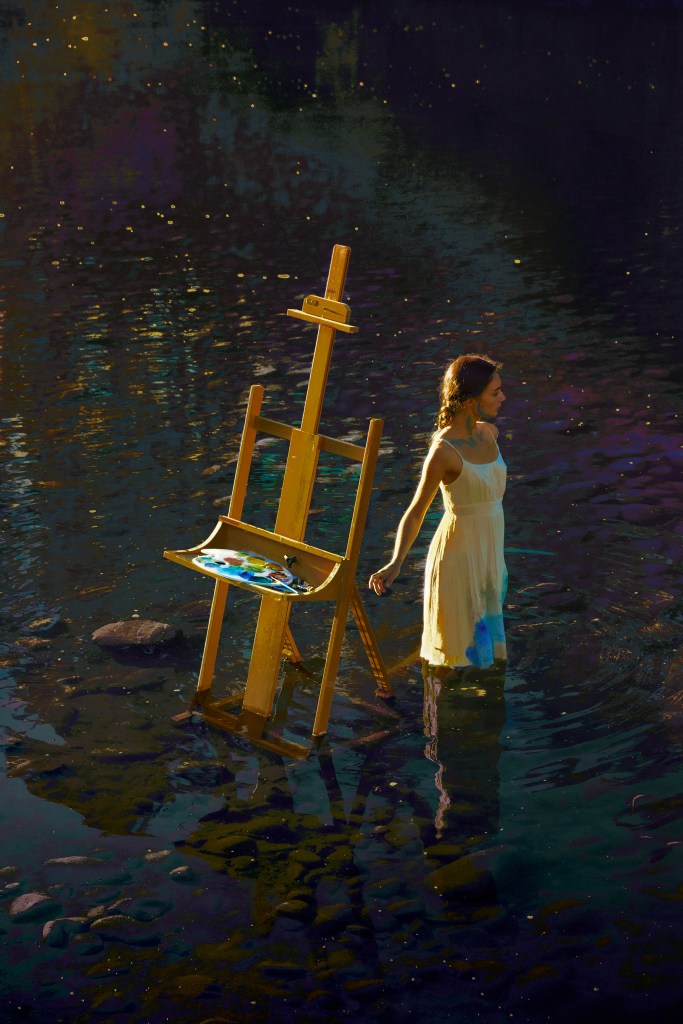
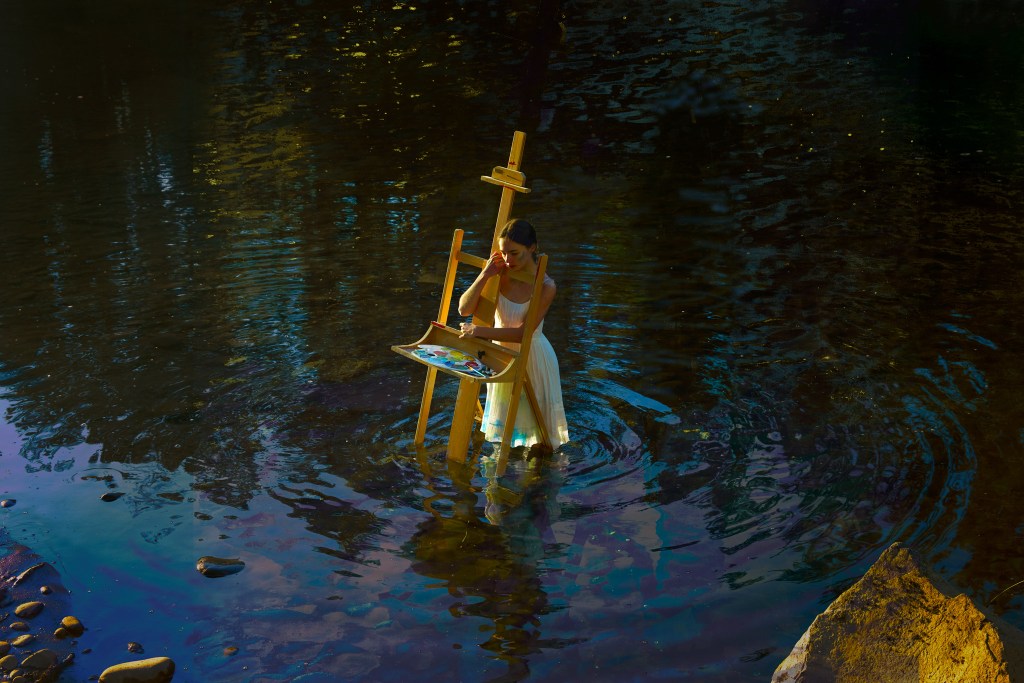
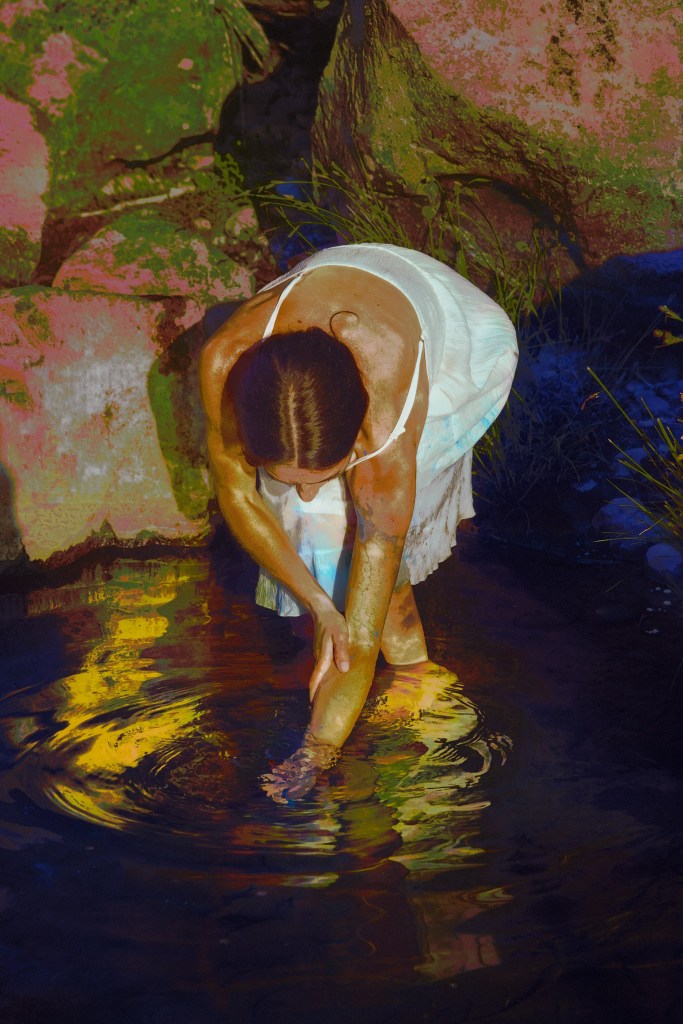
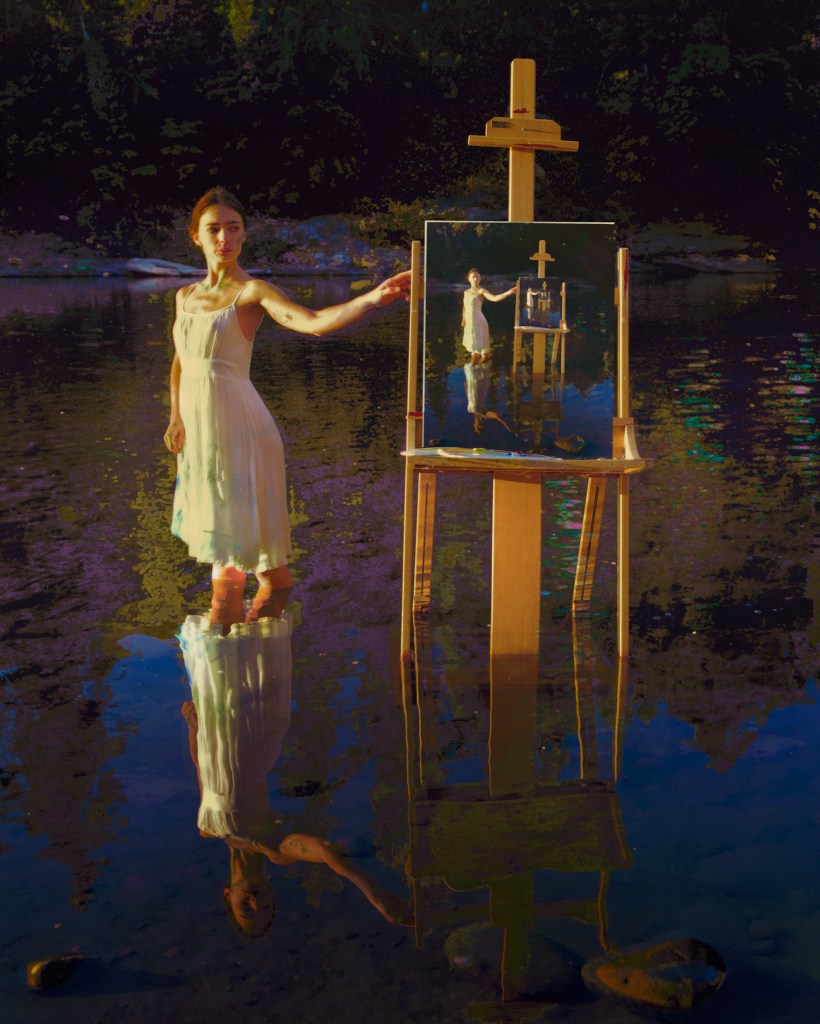
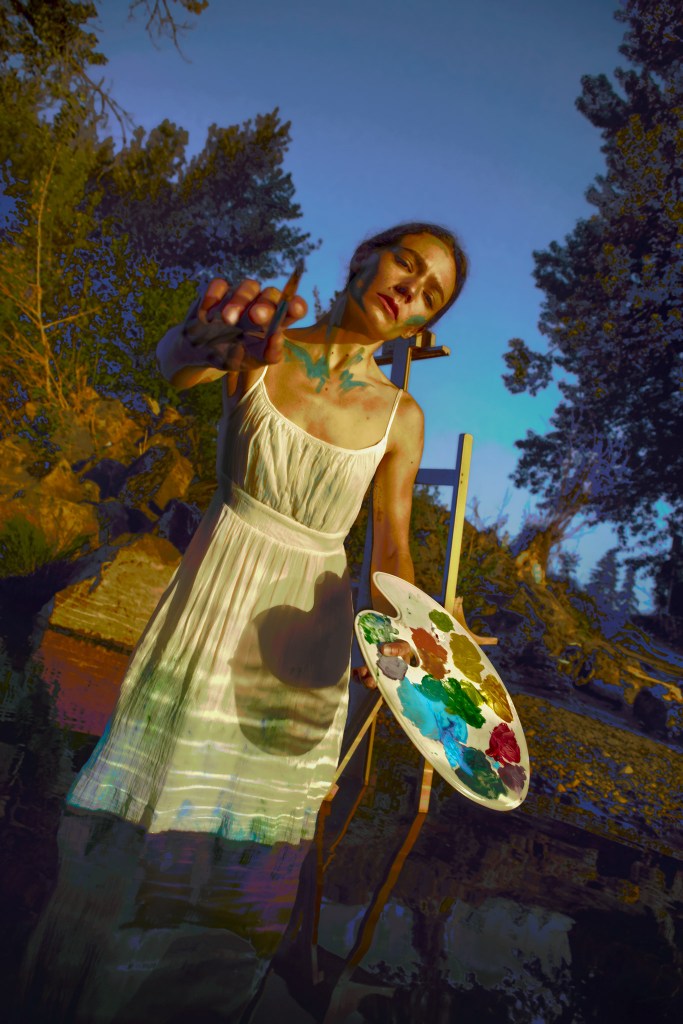
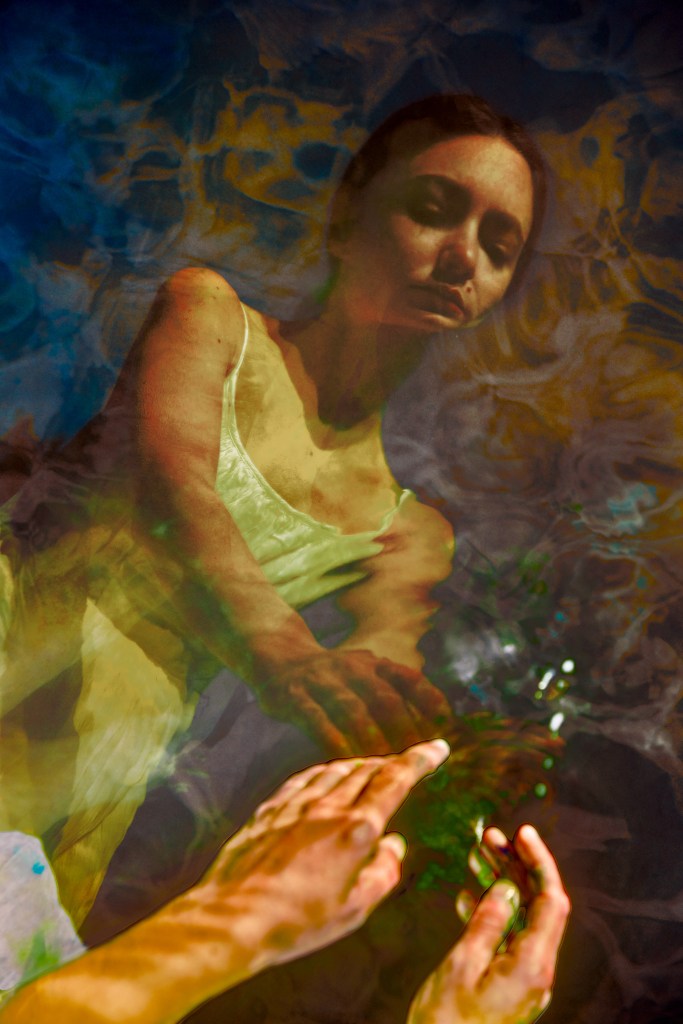
Enter Water Color—an experiment in creating a painterly aesthetic through photography and Photoshop.
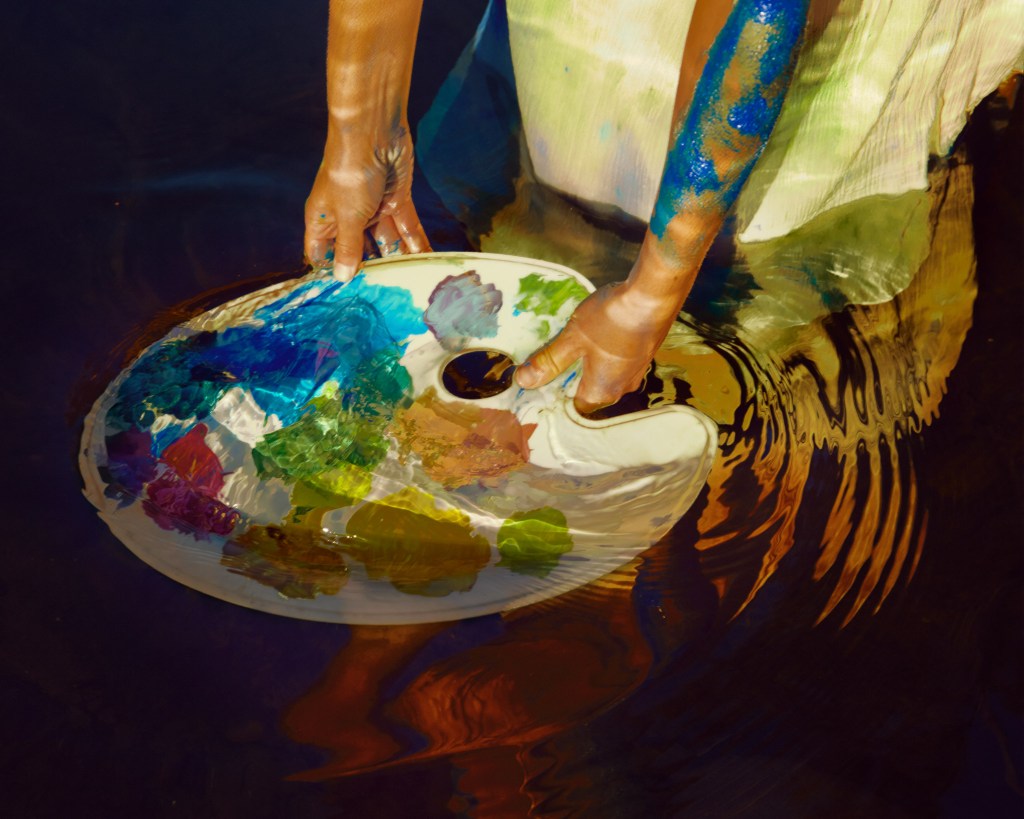
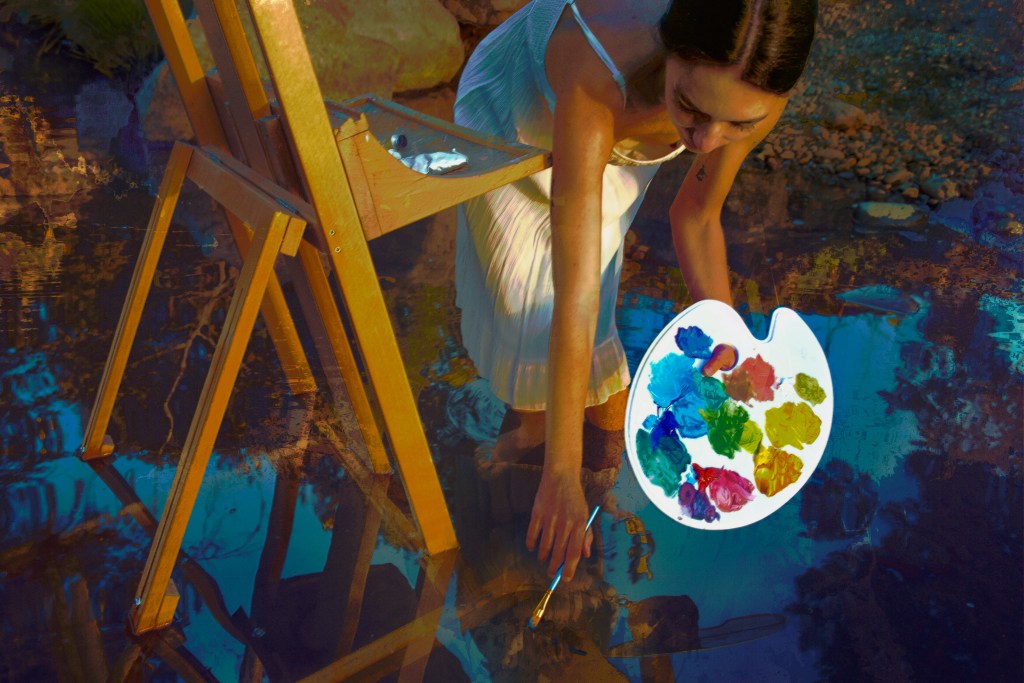
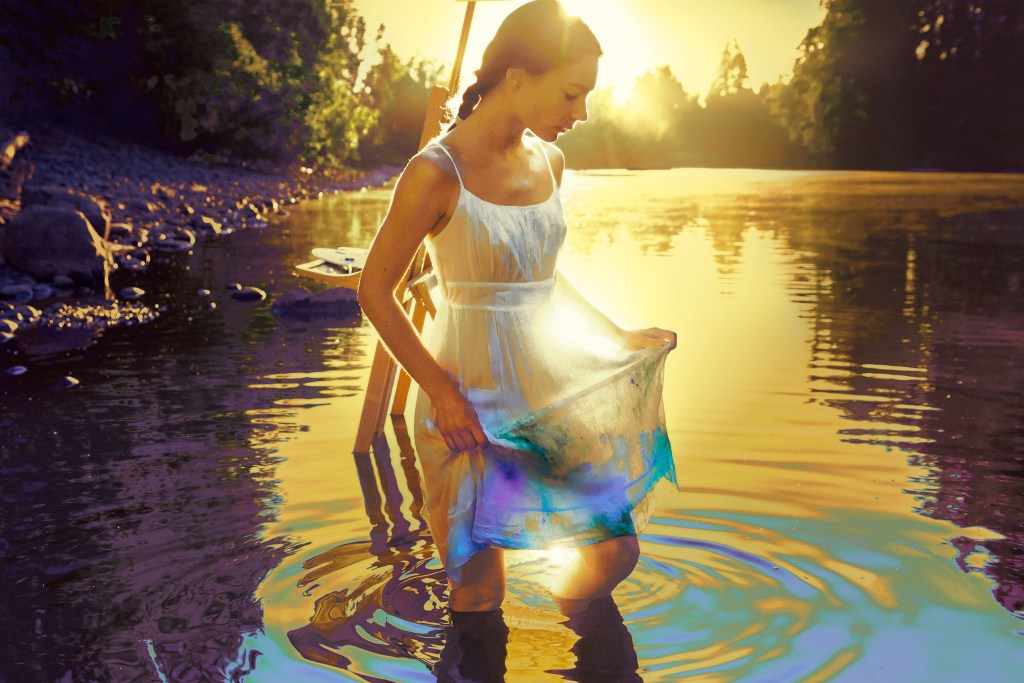
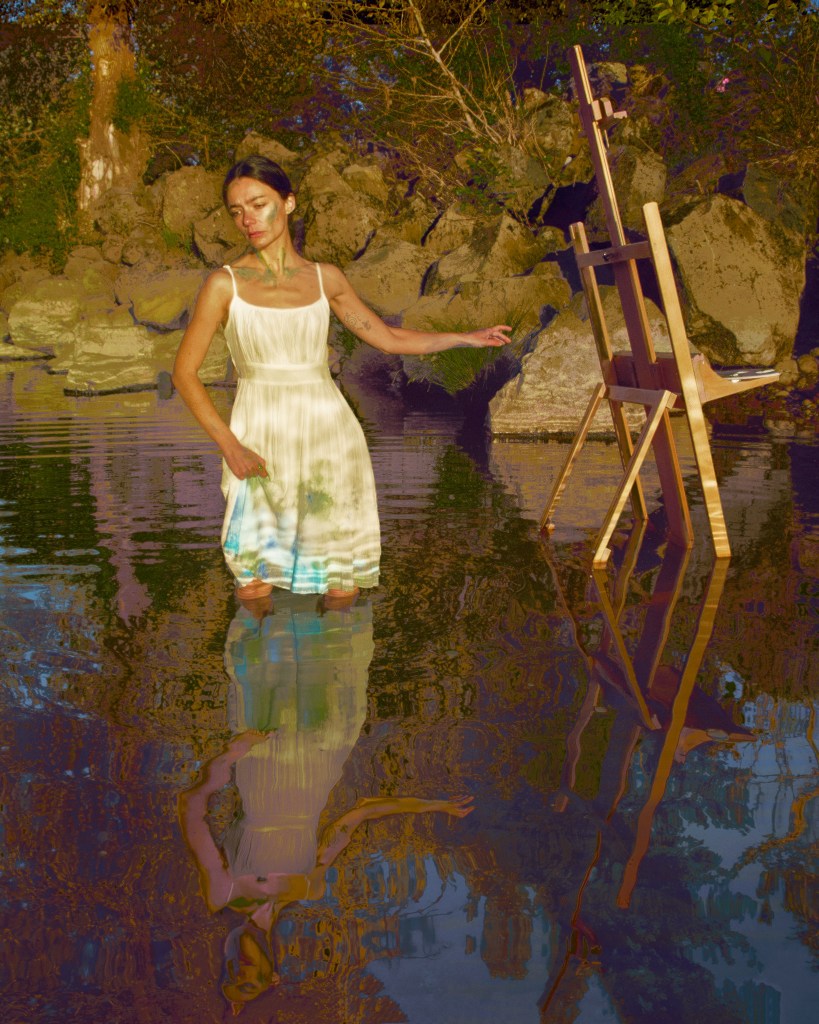
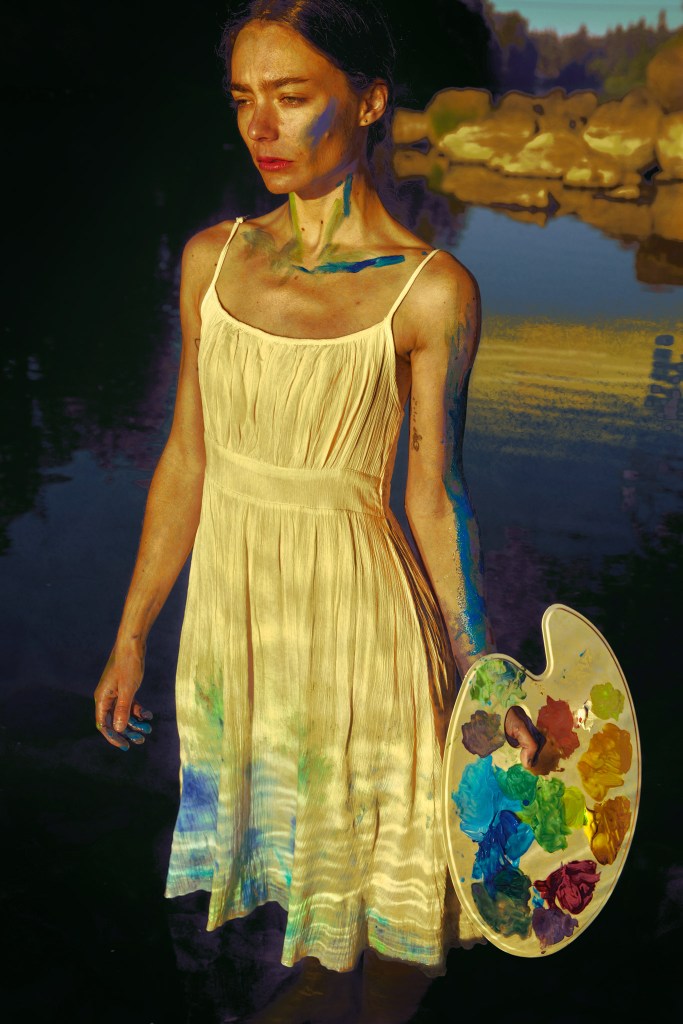
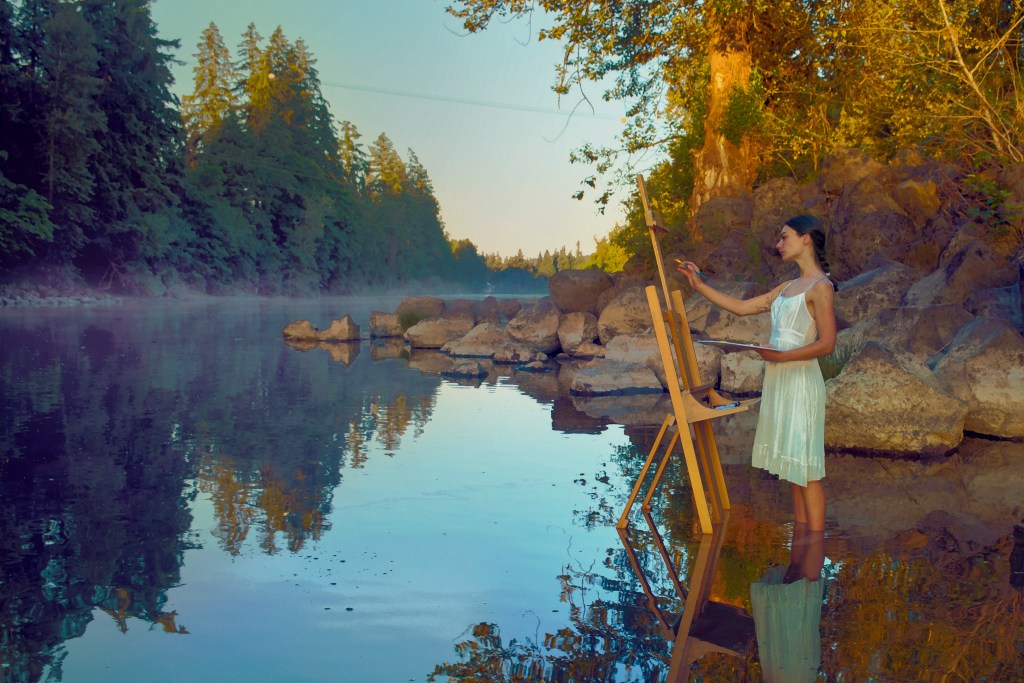
The concept itself is intentionally tongue-in-cheek: an artist standing in water, gradually merging with her paints until she becomes indistinguishable from the artwork she’s creating. The artist becoming one with the art. Creator and creation dissolving into each other. Where does the artist end and the artwork begin?
To create the look, I tried to approach the images almost as if I were painting them. The raw file became the sketch—the underlying structure defining shape and tone. From there, it was all about layering. First, I compressed the tonal range, eliminating true blacks and whites to create a softer foundation. Then I introduced exaggerated colors that weren’t necessarily true to life, prioritizing mood over realism. Finally, I created more deliberate separations between tones and colors, allowing transitions to feel less blended and more intentional—closer to brushstrokes than gradients.
The final images live somewhere between photography and painting, which is exactly where I wanted them to exist.
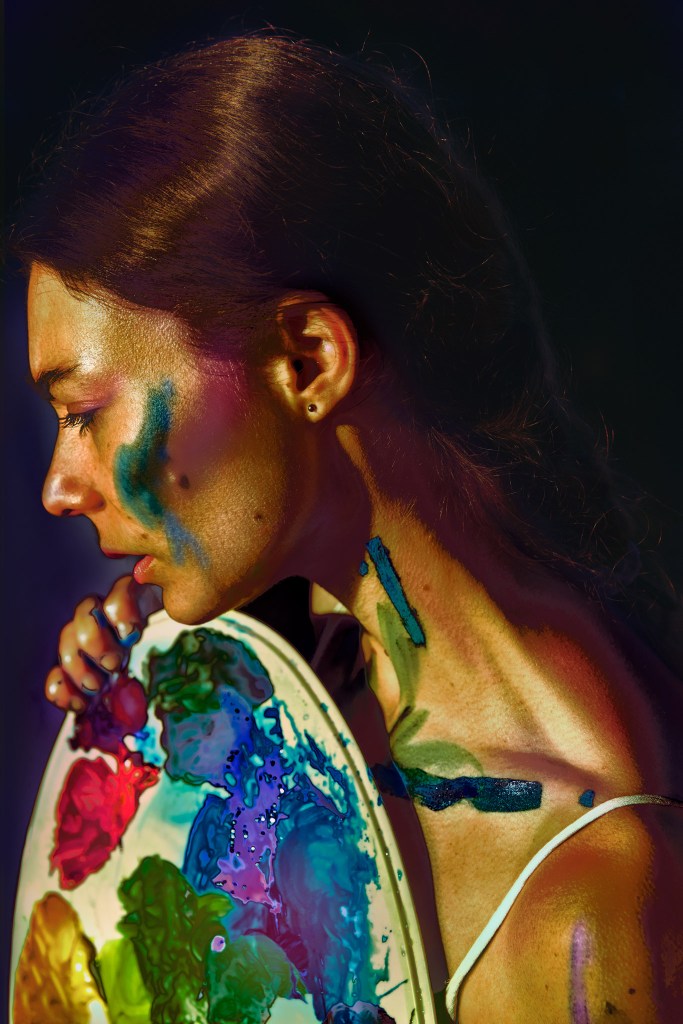
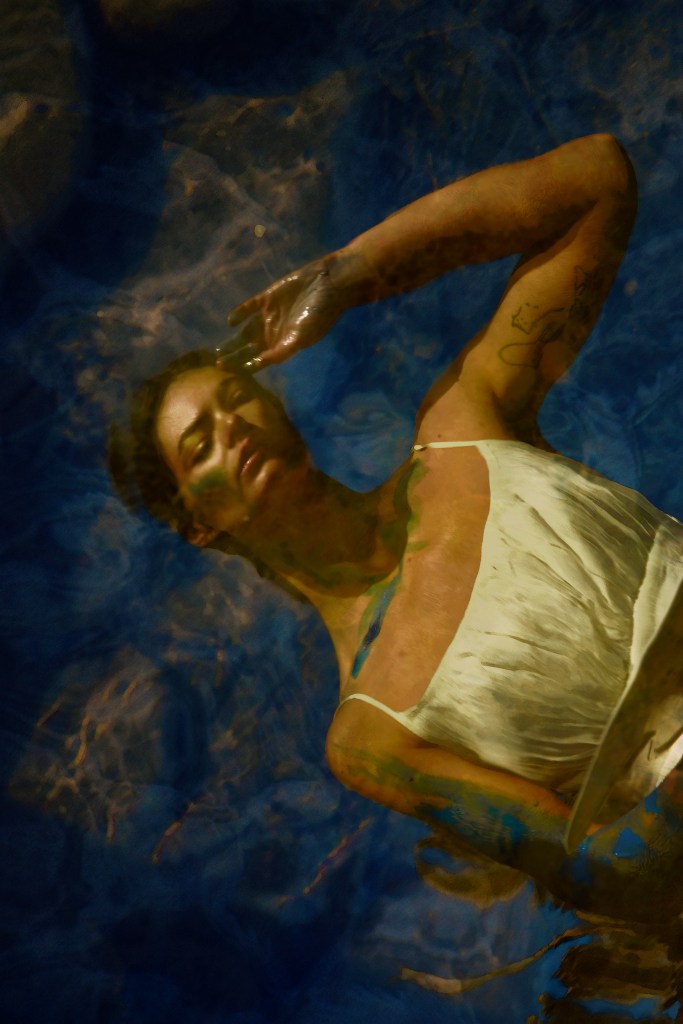
I’ve always found it ironic that painters spent centuries chasing photographic realism, while photographers often spend just as much effort moving in the opposite direction. We soften skin, dodge and burn, manipulate color, and reshape light in pursuit of something that feels more emotional than literal. Both mediums seem to be reaching toward the same goal from opposite directions: not reality itself, but a heightened interpretation of it.
That’s what interests me most. Not where photography ends and painting begins, but the space in between—where the strengths of each medium overlap and inform one another.
More than anything, this project reminded me that photography doesn’t have to be confined by the conventions of photography. Thinking like a painter forced me to make different decisions, see color differently, and trust intuition over accuracy. In a strange way, it also felt like reconnecting with the artistic path I never quite took.
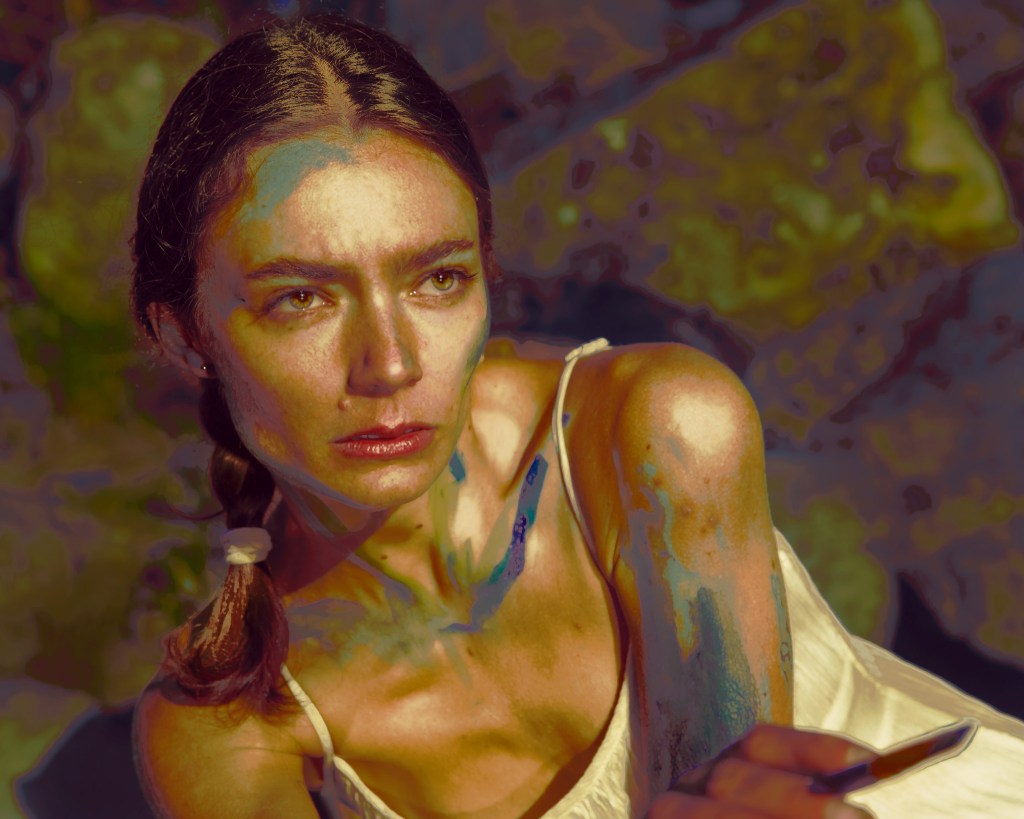
Maybe that’s why I enjoyed making these images so much. For a brief moment, I got to be both photographer and painter—and discovered that the distinction matters far less than I once thought.
Perhaps that’s also why painterly imagery is having such a resurgence right now. We live in a world saturated with photographs. We carry cameras in our pockets, scroll past thousands of images every day, and have unprecedented access to visual reality in all its detail and precision. The photograph’s ability to document the world no longer feels novel; it’s expected.
What feels increasingly rare is interpretation.
Painterly photography reminds us that an image can be more than evidence of what was in front of the lens. It can exaggerate, simplify, distort, and transform. It can prioritize feeling over fact. In a culture overflowing with literal representations of reality, perhaps we’re craving images that do something more—images that reveal not just what something looked like, but what it felt like. And maybe that’s why photography keeps finding its way back to painting: not because it wants to be less photographic, but because we’re all searching for ways to make the familiar feel magical again.
 Art On The Precipice